Archive for the ‘obituary’ Category

Ancestry.co.uk has made the company’s National Probate Calendar, 1861-1941, completely free to everyone until July 8th. You can search the index records to see where and when your ancestors died, see the original records to discover how much money or property they may have left behind, and you can use the information that you found, to order their wills and probate records from the Principal Probate Registry. (Eastman’s Online Genealogy Newsletter)


Wills and probate records are much more than a list of possessions that one of your ancestors may have left behind when they died; it can provide you with information on their social standing and wealth, if any, that they may have had. You can find out what they liked or kept as a family heirloom or even give you a head start to finding another ancestor that may have been listed in the will. How great is that? It’s free for a limited time, so take advantage of it! I love FREE stuff for genealogists! 
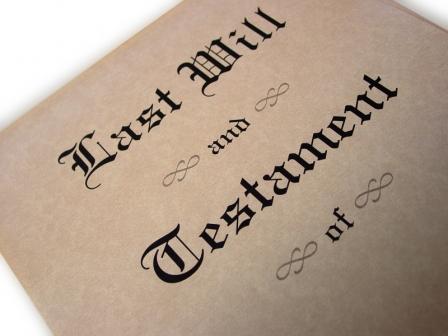
Image Source


Another collection that will help you discover lost riches in your family tree is Andrews Newspaper Index Cards, 1790-1976This unique card index was compiled in England from the 1790s until about 1970 and features a collection of notices from newspapers and various official sources, such as the London Gazette. Approximately 250,000 cards include announcements of births, marriages, obituaries, and deaths abroad; notices of wills, unclaimed estates, and filings under the Colonial Probates Act of 1892 (which recognized probates from courts in British possessions); and advertisements for missing persons and people seeking next of kin. The original newspaper clippings on the cards sometimes include annotations referring to additional information from other sources. (Ancestry.co.uk)


Animation of the structure of a section of DNA...

Animation of the structure of a section of DNA. The bases lie horizontally between the two spiraling strands. (Photo credit: Wikipedia)

Since I started researching my heritage, I’ve learned a few lessons. The first and most important being, not to trust or make assumptions about the quality of research done by others. You will see family trees posted on the web, names that may be familiar to you, but check it out on your own. You will need to search for the documents yourself. I was always told by my husband, Michael to check, double check, and triple check! Okay. I get it, finally. People are bound to make mistakes. So how do you find these documents? Check out the links on my page, that should lead you in the right direction, at least for starters. Vital records offices are located around the globe, so I would most likely start with what you already know; i.e., full name, date of birth, place of birth and who the person’s parents are. You may even have this information saved somewhere, funeral notices such as the “In Remembrance” cards you receive for a family member who had passed away. This will give you a lot of information as well.
It is possible that while researching a family member, that you may never find information on them, for whatever reason. Say for instance, I was searching for one particular person recently, and I came up with nothing, no matter where I searched. It was like this person ceased to exist! 
Sometimes you just hit a brick wall and cannot go any further, at least on that particular branch. But your family tree has many ancestors, some with unique names and others that are so similar that even the parents have the same name as their own child! This makes your search even more difficult. When you start creating your family tree, the possibility of finding more ancestors to add becomes endless, or so it seems. As you keep going farther back, you have double the ancestors to search. Parents, grandparents, great great grandparents times how ever many! I think I have 13th Great Grandparents and that goes back to probably mid 1600’s or so. I will never cease to find more relatives to add, my family is huge and you end up with cousins upon cousins and their marriages, and their parents and so on. I’m sure you get my point already. 

If you are seeking true source documents to back up your research, try Social Security Indexes, archives, military draft cards, census records, obituaries, libraries that offer microfilmed documents, passenger lists, or even immigration lists etc. This should help get you going in the right direction, so don’t take one persons family tree website as confirmation that the data is set in stone! 

Has anyone ever tried the DNA testing that the Ancestry web site has been offering? If so, what do you think of it?